

Categories
Change Password!
Reset Password!


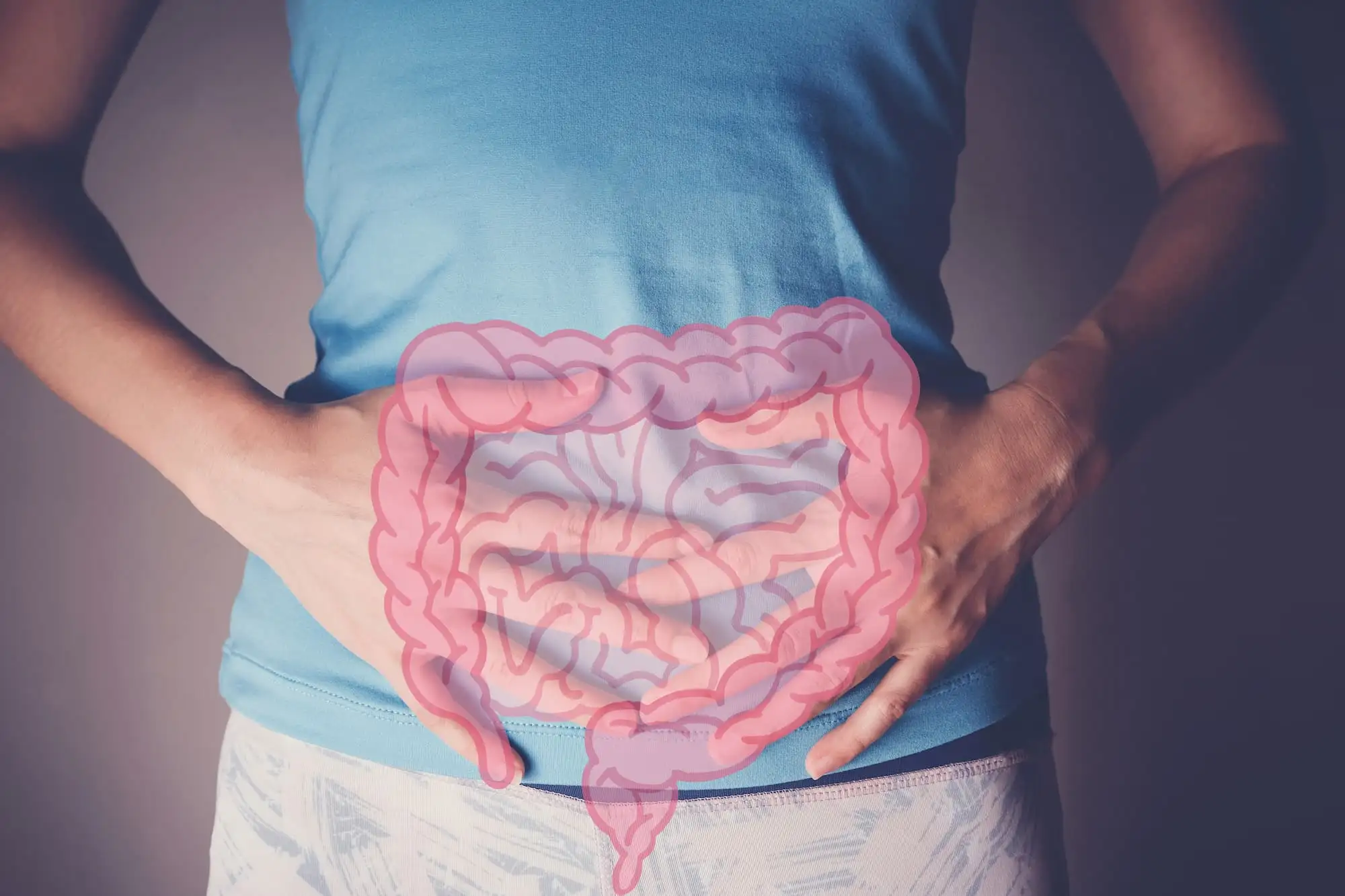
Advanced drug delivery systems are being designed to overcome gastrointestinal barriers and deliver medicines more precisely to diseased sites, potentially improving efficacy while reducing systemic toxicity.
Delivering medicines successfully to specific sites within the gastrointestinal (GI) tract remains a key hurdle because the digestive system contains multiple, region-specific barriers that can degrade drugs, limit absorption, and prevent therapeutic agents from reaching diseased tissues. A new review examined how advances in targeted drug delivery could help move therapies “from bench to bowel”.
The review highlights that the GI tract is not a uniform delivery environment. The oral cavity is affected by rapid salivary clearance and enzymatic degradation, while the stomach exposes drugs to strong acidity, digestive enzymes, and mechanical churning. In the small intestine, mucus, epithelial tight junctions, efflux transporters, and immune surveillance can restrict drug penetration. The colon presents additional challenges from its thick mucus layer and dense, metabolically active microbiota.
These barriers are particularly problematic for biologics. The review notes that the oral bioavailability of intact peptides and proteins can be below 1%, and sometimes below 0.1%, highlighting the requisition for delivery systems that can safeguard therapeutic payloads and facilitate site-specific transport.
Key delivery challenges
The authors identify several factors that must be addressed to attain effective targeted GI drug delivery:
The review proposes a barrier-guided approach in which the dominant physiological obstacle is first identified and then matched with an appropriate delivery technology.
Emerging delivery platforms
Recent advances in nanotechnology, biomaterials and bioengineering have generated numerous platforms capable of addressing these challenges. These include liposomes, polymeric nanoparticles, dendrimers, inorganic nanoparticles, hydrogels, microspheres, microneedles and microscale robotic systems.
1. Passive targeting
Passive targeting can exploit disease-associated changes in permeability and retention. However, the authors caution against assuming that the classical enhanced permeability and retention (EPR) effect observed in solid tumours applies directly to GI diseases.
In inflamed intestinal tissue, accumulation is influenced by mucus, epithelial integrity, local pH and enzyme gradients, luminal clearance and considerable biological variability. The review therefore describes this process more appropriately as an inflammation-associated permeability/retention phenomenon or an EPR-like effect.
Preclinical evidence suggests that appropriately engineered nanoparticles can accumulate in inflamed colonic tissue, increase local drug concentrations and reduce systemic exposure compared with free drugs.
2. Active targeting
Active targeting uses ligands such as antibodies or peptides to recognise specific receptors or molecular targets associated with diseased tissues. This approach can raise local drug accumulation and potentially improve therapeutic precision.
The review describes applications of active targeting across GI diseases, including inflammatory bowel disease (IBD) and GI cancers, with ligand-functionalised liposomes and engineered nanocarriers among the approaches being investigated.
3. Stimuli-responsive delivery
Stimuli-responsive systems are designed to release their payload in response to local biological or external triggers. Potential triggers include pH, enzymes, reactive oxygen species, redox conditions, light, and magnetic fields.
Such systems could allow drug release to be coordinated with the microenvironment of a diseased GI region, potentially minimizing premature release and limiting exposure to healthy tissues.
Applications in GI diseases
1. IBD
IBD, including ulcerative colitis and Crohn’s disease, is a major target for site-specific delivery. The review describes systems designed to protect therapeutic agents during upper-GI transit and release them preferentially within the inflamed colon. Examples include enzyme- and microbiota-responsive systems, reactive oxygen species-responsive carriers, and mucus- or inflammation-targeted nanoparticles. These approaches aim to increase drug concentrations at inflamed sites while limiting systemic exposure.
2. GI cancers
Targeted delivery systems are also being explored for gastric and colorectal cancers. Nanocarriers can be engineered to improve tumour penetration, interact with tumour-associated receptors, or respond to the altered microenvironment surrounding malignant tissue. For example, HER2-targeted star polymers have been investigated to improve tumour distribution and penetration in HER2-positive gastric cancer models. Other platforms combine passive and active targeting or incorporate pH- and redox-responsive mechanisms for colorectal cancer therapy.
3. Peptic ulcer disease
For peptic ulcer disease, maintaining drug stability in the acidic stomach and increasing residence time at the gastric mucosa are important objectives. Gastroretentive and mucoadhesive systems, pH-responsive polymers, and protective coatings have therefore been examined to prolong local drug exposure and enable controlled release.
Despite promising preclinical advances, clinical translation remains a key challenge. Manufacturing scalability, reproducibility, long-term safety, cost, and differences in GI physiology between patients must be addressed before many advanced platforms can become routine therapies. Overall, the review suggests that barrier-guided drug delivery, in which each GI region’s unique biological obstacles are matched with a specific delivery strategy, could yield a more precise approach to treating GI diseases.
Frontiers in Bioengineering and Biotechnology
From bench to bowel: translating targeted drug delivery through gastrointestinal barriers
Zhou Zhang et al.













Comments (0)