

Categories
Change Password!
Reset Password!


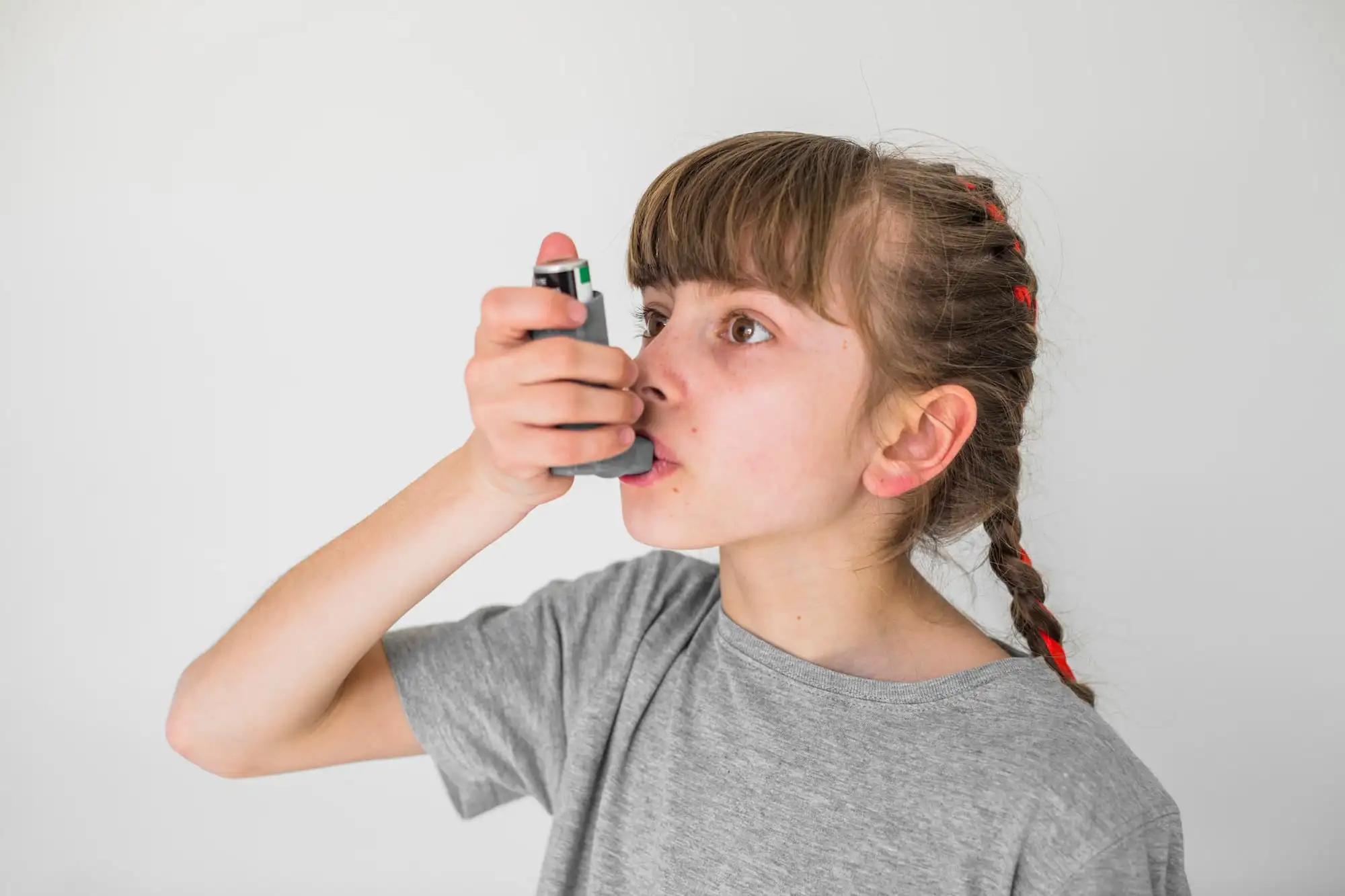
Poor compliance with inhaled corticosteroids frequently leads to airway deterioration and heightened systemic inflammation.
Omega-3 supplementation offers a safe, well-tolerated therapy that boosts asthma control, improves lung function, and reduces inflammation in children and adolescents.
Poor compliance with inhaled corticosteroids frequently leads to airway deterioration and heightened systemic inflammation. Hence, this study evaluated omega-3 supplementation as an adjunct strategy to counter inflammation and improve outcomes in pediatric asthma management.
In this prospective controlled study, 116 children and adolescents suffering from asthma (aged 6 to 17.6 years) were randomly allocated into two age- and sex-matched groups. Over a 6-months period, 56 volunteers were treated with 1200 mg of omega-3 supplementation, and 60 volunteers were treated with a placebo. Evaluations were performed at the beginning of the trial, after 6 months, and again 6 months after discontinuing the intervention.
Clinical evaluations included pulmonary function tests, asthma severity grading, and the childhood asthma control test (C-ACT). Furthermore, biochemical analyses were conducted to measure antioxidant and inflammatory markers, including interleukin-17 (IL-17), glutathione reductase (GR), matrix metalloproteinase-9 (MMP-9), and malondialdehyde (MDA).
The marked benefits of omega-3 supplementation were observed, with remarkable improvements in asthma control and lung function. These gains were accompanied by favorable shifts in serum biomarkers GR, MDA, MMP-9, and IL-17 after 6 months compared with baseline and placebo (p < 0.001). The proportion of moderate to severe asthma cases reduced from 76.7% to 26.7%, while the rates of not well-controlled and very poorly controlled asthma reduced from 100% to 17.8%.
Although these improvements diminished somewhat after discontinuation, it remained significant at 6 months, with moderate to severe asthma at 37.5% and poorly controlled disease at 33.9% (p < 0.001 vs. baseline; p < 0.001 vs. placebo). Mild side effects were noted in 32.1% of the omega-3 group, most often fishy burping (26.8%) and gastrointestinal discomfort (5.4% ).
Omega-3 supplementation served as a therapeutic addition in pediatric asthma, yielding significant improvements in disease control, pulmonary function, and inflammatory profiles.
The Egyptian Journal of Bronchology
Protective role of omega-3 polyunsaturated fatty acids supplementation in children and adolescents with bronchial asthma: a 6-month randomized, double-blind, placebo-controlled trial
Ebtesam Ahmed Attia et al.















Comments (0)