

Categories
Change Password!
Reset Password!


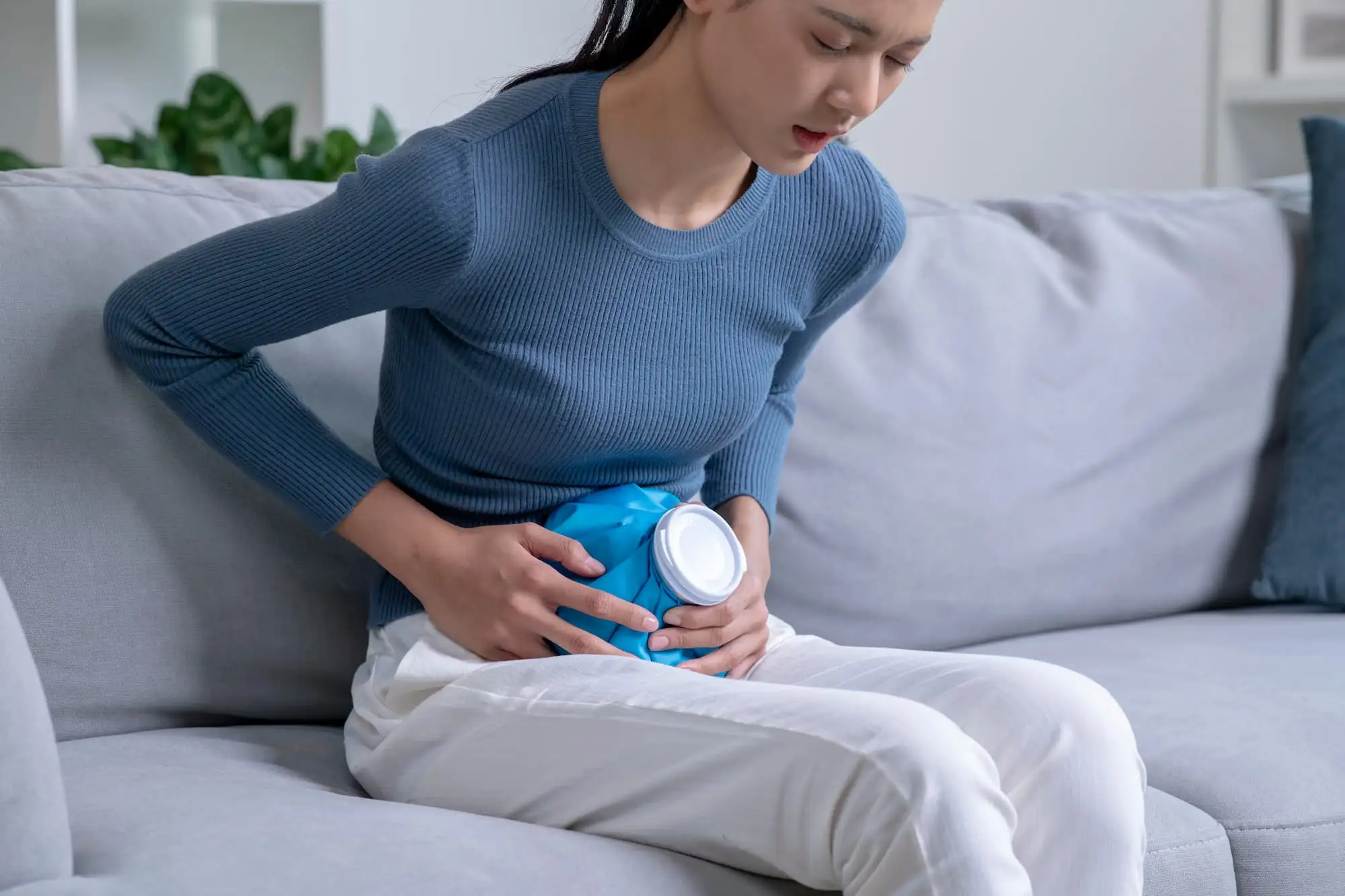
Menstrual symptoms are a common concern among young women and are known to negatively impact daily functioning, academic productivity, and overall quality of life.
Rumination is positively associated with increased menstrual symptom severity in young women, while higher pain resilience and physical activity show a protective relationship against symptom burden.
Menstrual symptoms are a common concern among young women and are known to negatively impact daily functioning, academic productivity, and overall quality of life. Growing evidence highlights the potential role of psychosocial and lifestyle factors—like rumination, pain resilience, and physical activity—in shaping the perception and intensity of menstrual-related symptoms. This study aimed to examine the link between rumination, pain resilience, physical activity levels, and menstrual symptom severity in young adult women.
A total of 130 healthy, regularly menstruating females (mean age: 21.31 ± 1.87 years), who were not using analgesics or oral contraceptives, were recruited for this cross-sectional study. Volunteers finished standardized instruments, including the Menstruation Symptom Scale (MSS), Ruminative Response Scale (RRS), Pain Resilience Scale (PRS), and International Physical Activity Questionnaire (IPAQ), on day 1 and day 5 of the menstrual cycle. Statistical analysis was performed via Spearman correlation and Kruskal–Wallis tests.
The study population included 69.9% unmarried participants, with nearly half (46.9%) classified as sedentary. The mean age at menarche was 13.19 ± 1.35 years, and the average menstrual duration was 5.89 ± 1.36 days. MSS total and subscale scores illustrated significant small-to-moderate links with rumination dimensions (RRS total, brooding, and reflection) as well as vigorous physical activity (IPAQ) (rho = -0.175 to 0.374).
Weak negative correlations were noted between MSS total score (rho = -0.201) and coping-related subscale (rho = -0.213) with cognitive-affective pain resilience. Menstrual pain symptoms illustrated a significant link with moderate physical activity (rho = -0.182), while coping strategies correlated with overall pain resilience (rho = -0.198) and total physical activity levels (rho = -0.215). No vital differences in menstrual symptom severity were witnessed across physical activity categories (p = 0.089).
Rumination appears to be positively linked with increased menstrual symptom severity, suggesting that repetitive negative thinking may intensify the perception of menstrual discomfort in young women. In contrast, higher pain resilience and greater physical activity may play a protective role in alleviating symptom burden. These results emphasize the importance of including psychological well-being and lifestyle interventions for menstrual healthcare.
Journal of Obstetrics and Gynaecology Research
Associations Between Rumination, Pain Resilience, Physical Activity, and Menstrual Symptoms in Young Women
Muge Dereli et al.














Comments (0)