

Categories
Change Password!
Reset Password!


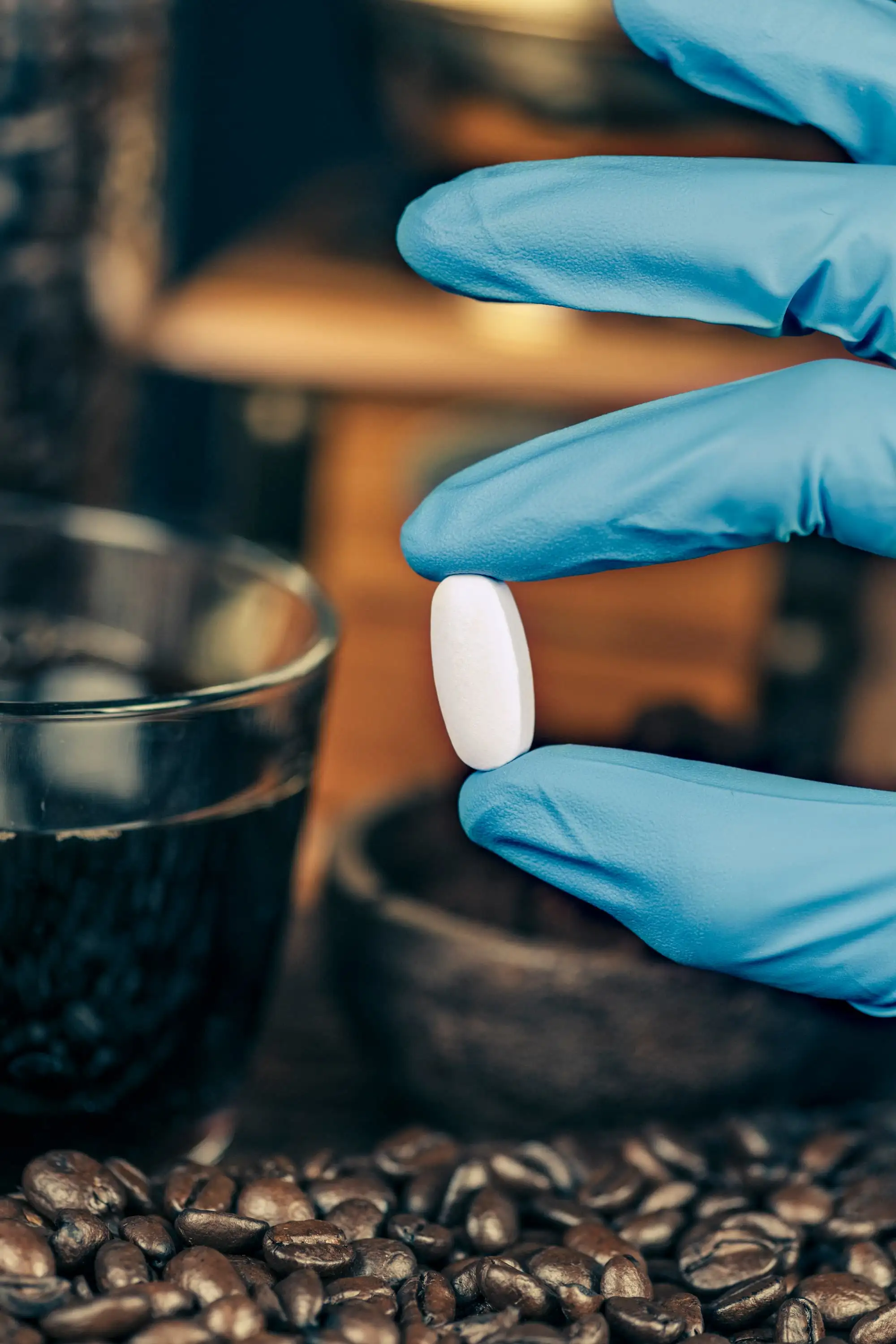
Paracetamol is an extensively used antipyretic and analgesic, available as both a single agent and in combination formulations.
Caffeine markedly boosts paracetamol’s analgesic effect, speeds its absorption, and provides faster and more effective pain relief in patients with mild-to-moderate acute pain, including primary headaches, while maintaining a favorable safety profile.
Paracetamol is an extensively used antipyretic and analgesic, available as both a single agent and in combination formulations. Caffeine is often added as an adjuvant to boost the analgesic effect of various drugs, including paracetamol.
Combining paracetamol with caffeine aims to improve pain alleviation while allowing for lower paracetamol doses, potentially minimizing adverse effects. Hence, this narrative review summarized evidence on the enhanced analgesic efficacy of paracetamol when combined with caffeine and examined the mechanisms through which caffeine potentiates paracetamol’s antinociceptive action.
An extensive search of ClinicalTrials.gov, Cochrane Database, MEDLINE, and PubMed was executed. Only randomized controlled trials and meta-analyses examining paracetamol 1000 mg with caffeine 130 mg were included to examine clinical efficacy and safety.
Both preclinical and clinical studies showed that caffeine synergistically enhances paracetamol-induced analgesia. Caffeine accelerates the absorption of paracetamol, resulting in faster onset of pain relief. In those with mild-to-moderate acute pain, the combination consistently provides superior analgesia compared to paracetamol alone, with remarkable improvement noted in primary headache management, all without added safety concerns.
The combination of paracetamol and caffeine is both effective and safe for relieving acute mild-to-moderate pain. Clinicians may consider this combination as a reliable option in pain management strategies.
Pain Research and Management
Paracetamol and Caffeine Combination in Pain Management: A Narrative Review
Michel Lanteri-Minet et al.















Comments (0)