

Categories
Change Password!
Reset Password!


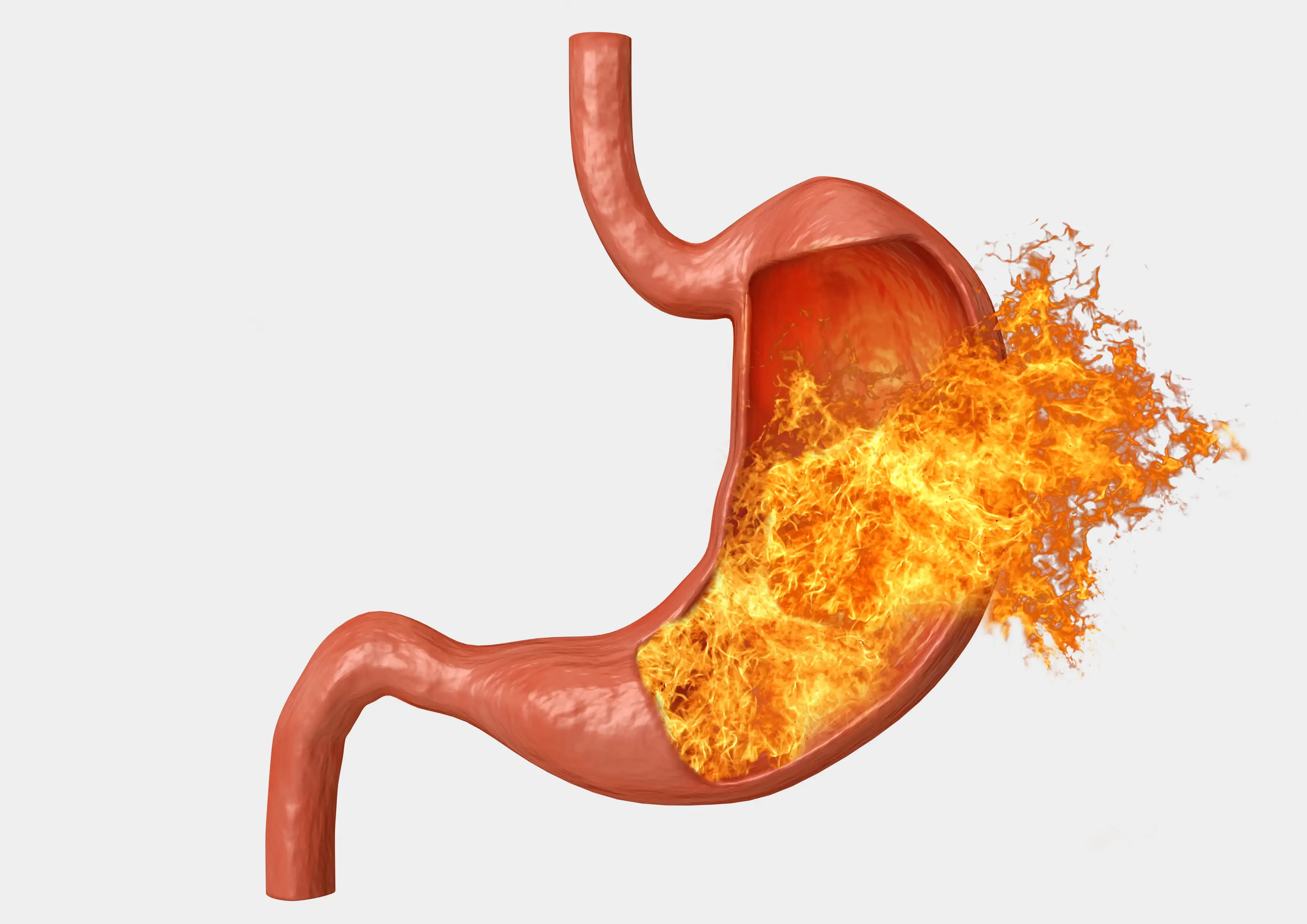
This meta-analysis evaluated whether the addition of Lactobacillus reuteri (L. reuteri) to conventional triple therapy can improve treatment outcomes in patients suffering from Helicobacter pylori (H. pylori) infection.
Adding Lactobacillus reuteri to standard triple therapy significantly improves H. pylori eradication rates while also reducing treatment-related side effects such as diarrhea, constipation, and taste disturbances.
This meta-analysis evaluated whether the addition of Lactobacillus reuteri (L. reuteri) to conventional triple therapy can improve treatment outcomes in patients suffering from Helicobacter pylori (H. pylori) infection.
An extensive literature search was executed across Web of Science, PubMed, Embase, Scopus, and Cochrane Central databases. Researchers included randomized controlled trials (RCTs) comparing the use of viable L. reuteri versus placebo, administered before, during, or after standard triple therapy. Meta-analysis was performed via Review Manager (RevMan) version 5.4.
In total, 7 RCTs involving a total of 518 participants were analyzed. The addition of L. reuteri to triple therapy markedly improved H. pylori elimination rates when compared to triple therapy alone (hazard ratio [HR]: 1.16). Furthermore, the combination therapy was linked with a substantially lower risk of taste disturbances (relative risk: 0.59), diarrhea (HR: 0.44), and constipation (HR: 0.52). No considerable differences were noted between the two groups regarding epigastric pain (HR: 0.62) or nausea/vomiting (HR: 0.61).
Triple therapy combined with L. reuteri yielded better H. pylori eradication outcomes and fewer digestive side effects than triple therapy alone. Larger-scale studies are needed to substantiate these results.
Open Forum Infectious Diseases
P-96. Efficacy and Safety of Lactobacillus reuteri Supplementation Combined with Triple Therapy for Eradicating Helicobacter pylori: An Updated Meta-Analysis of Randomized Controlled Trials
Omar Elkoumi et al.












Comments (0)