

Categories
Change Password!
Reset Password!


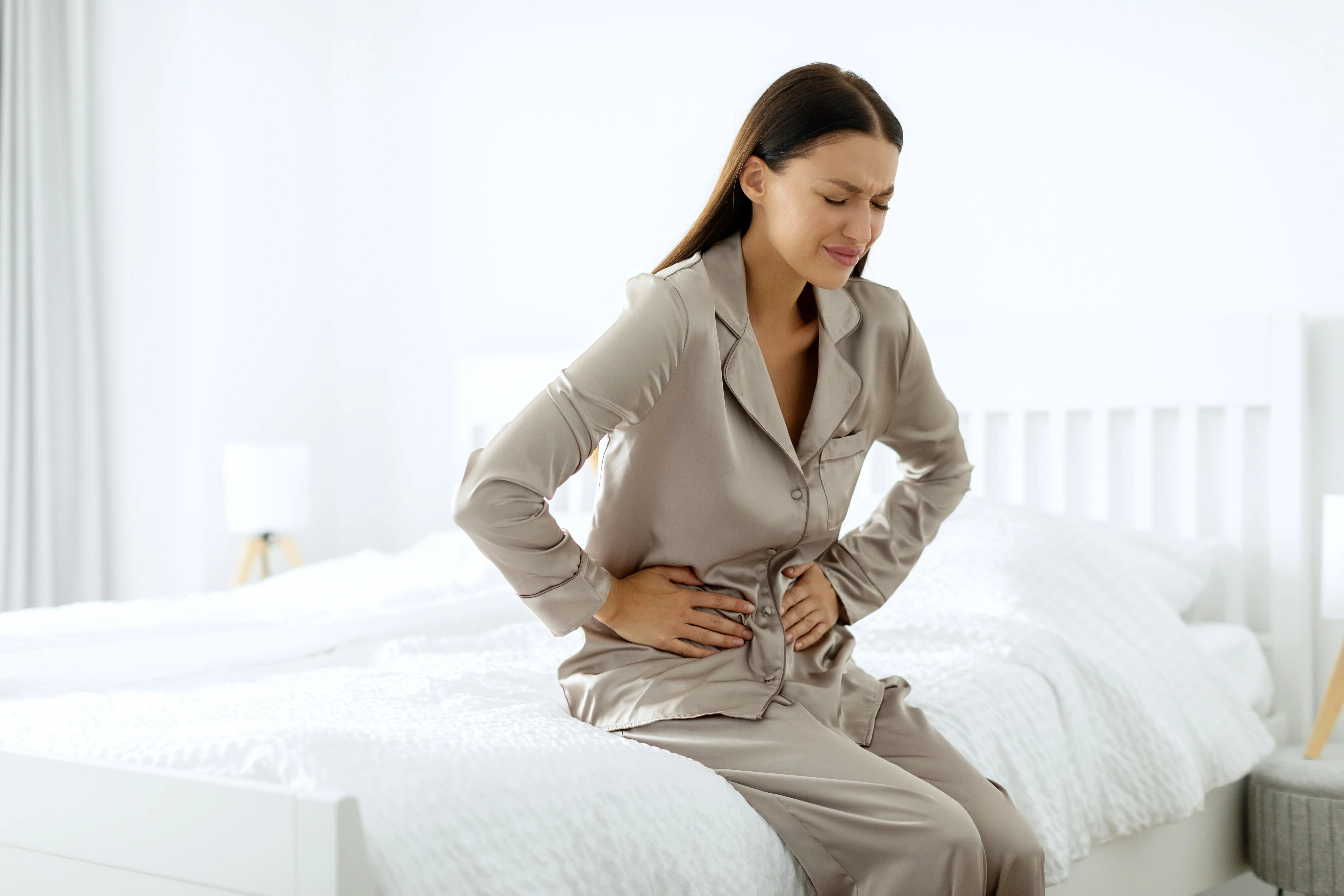
Chronic pelvic pain (CPP) markedly affects quality of life, particularly in women with endometriosis-associated pain.
A multidisciplinary pelvic pain management programme improves pain, physical function, and psychological outcomes in chronic pelvic pain, with sustained benefits regardless of endometriosis status.
Chronic pelvic pain (CPP) markedly affects quality of life, particularly in women with endometriosis-associated pain. Although pain management programmes are recommended for chronic pain, evidence supporting their potency in endometriosis-related CPP remains limited. This study determined the clinical potency of a multidisciplinary pelvic pain management programme (PPMP) and compares outcomes in females with and without endometriosis.
This study was conducted using validated patient-reported outcome measures (PROMs) assessing pain intensity, physical function, and psychological well-being. Assessments were performed at baseline (T1), post-treatment (T2), and 6-month follow-up (T3) in women enrolled in a specialized pelvic pain rehabilitation programme. Outcomes were compared based on endometriosis diagnosis.
In this longitudinal cohort study, clinically meaningful improvements were observed across pain, physical function, and psychological health, with sustained benefits at 6 months. Notably, remarkable improvements were observed immediately post-intervention (T2) and were maintained or enhanced at follow-up (T3). No vital differences were found between women with vs. without endometriosis, indicating consistent programme effectiveness (Table 1).

The multidisciplinary PPMP delivered sustained, clinically meaningful improvements in CPP, physical functioning, and psychological wellbeing, regardless of endometriosis status. These findings highlight the role of central sensitization and psychosocial mechanisms in CPP and support wider access to structured PPMPs. Further multicentre and long-term studies are warranted to confirm durability of outcomes.
Journal of Psychosomatic Obstetrics & Gynecology
Assessing the effectiveness of a pelvic pain management programme: does an endometriosis diagnosis influence outcome (a comparative analysis of outcomes in women with and without endometriosis)
Selina Johnson et al.








Comments (0)