

Categories
Change Password!
Reset Password!


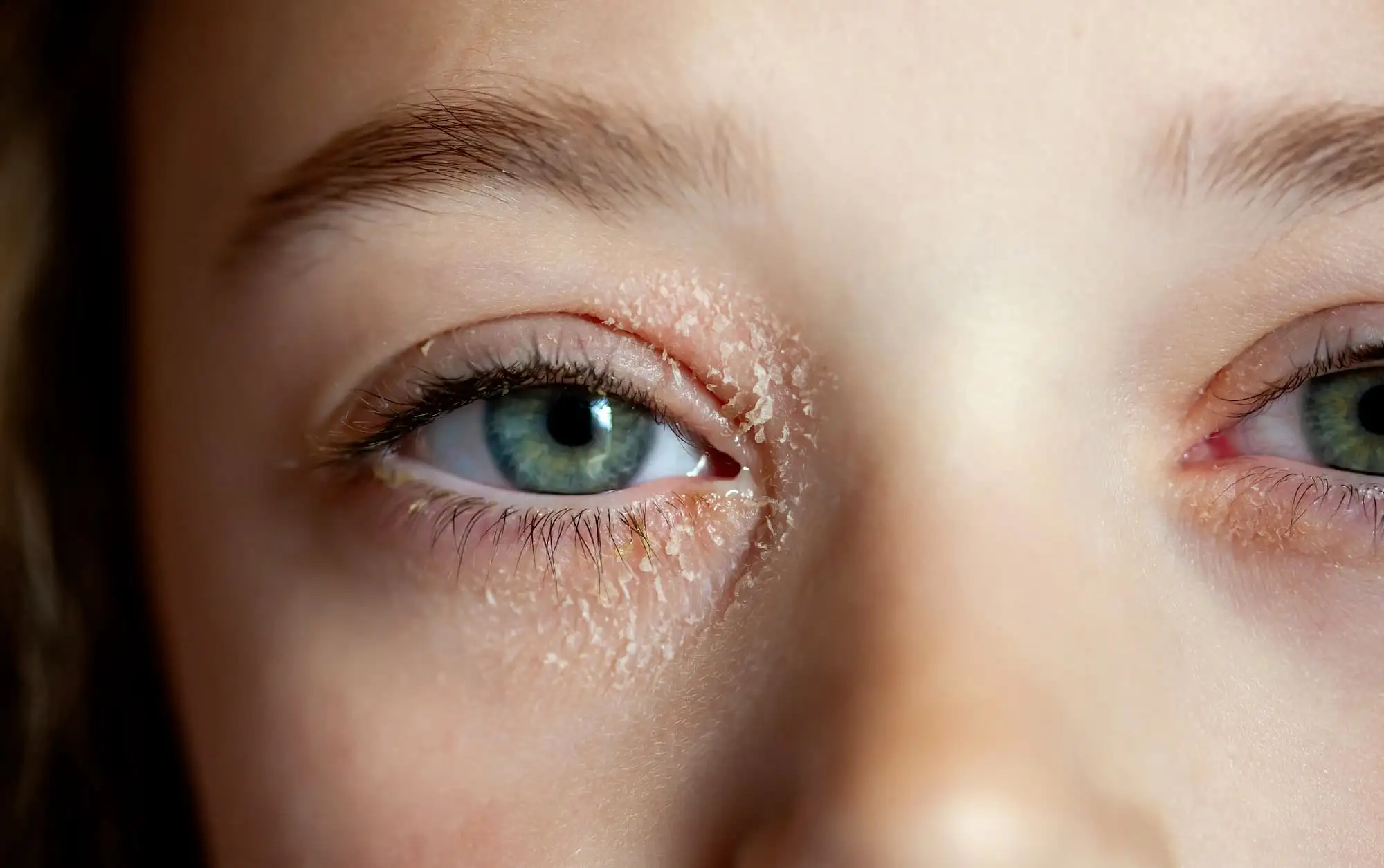
The 2026 AAD guidelines strongly recommend tapinarof 1% cream for children aged ≥2 years with atopic dermatitis. It is the only steroid-free topical therapy supported by high-certainty evidence.
Atopic dermatitis (AD) remains one of the most common chronic inflammatory skin ailments in children, often presenting with persistent pruritus, recurrent flares, and impaired skin barrier function that substantially affects quality of life. As concerns regarding prolonged topical corticosteroid use continue, the demand for effective steroid-free therapies has grown in pediatric dermatology.
The 2026 American Academy of Dermatology (AAD) pediatric AD guidelines, issued on 7 April 2026, recognized tapinarof 1% cream as the only steroid-free topical therapy to receive a strong recommendation backed by high-certainty evidence for kids aged 2 years and above. The recommendation applied across mild, moderate, and severe disease, without label restrictions based on disease severity, body surface area involvement, or treatment duration.
The guideline panel based its recommendation on a rigorous review of available evidence, with pivotal data derived from the Phase III ADORING 1 and ADORING 2 trials. Once-daily tapinarof provided clinically meaningful improvements in disease control while maintaining a favourable safety and tolerability profile, supporting its role as a practical non-steroidal treatment option in pediatric AD.
This recommendation followed the US FDA approval of tapinarof in December 2024 for adults and children with AD, further strengthening its position in routine clinical practice. As the first pediatric-specific AAD guideline, the updated recommendations offered clinicians evidence-based guidance tailored to the unique therapeutic needs of children with AD.
The most commonly reported adverse events included asthma, vomiting, abdominal pain, upper respiratory tract infection, folliculitis, lower respiratory tract infection, headache, ear infection, and pain in the extremities. Therefore, the 2026 AAD guidelines established tapinarof 1% cream as a first-line, evidence-based, steroid-free topical option for AD, offering clinicians a once-daily therapy supported by robust Phase III evidence and high-certainty guideline recommendations.
ORGANON
Organon’s VTAMA® (tapinarof) cream, 1%, Granted Strong Recommendation in the 2026 American Academy of Dermatology Guidelines for Pediatric Atopic Dermatitis














Comments (0)