

Categories
Change Password!
Reset Password!


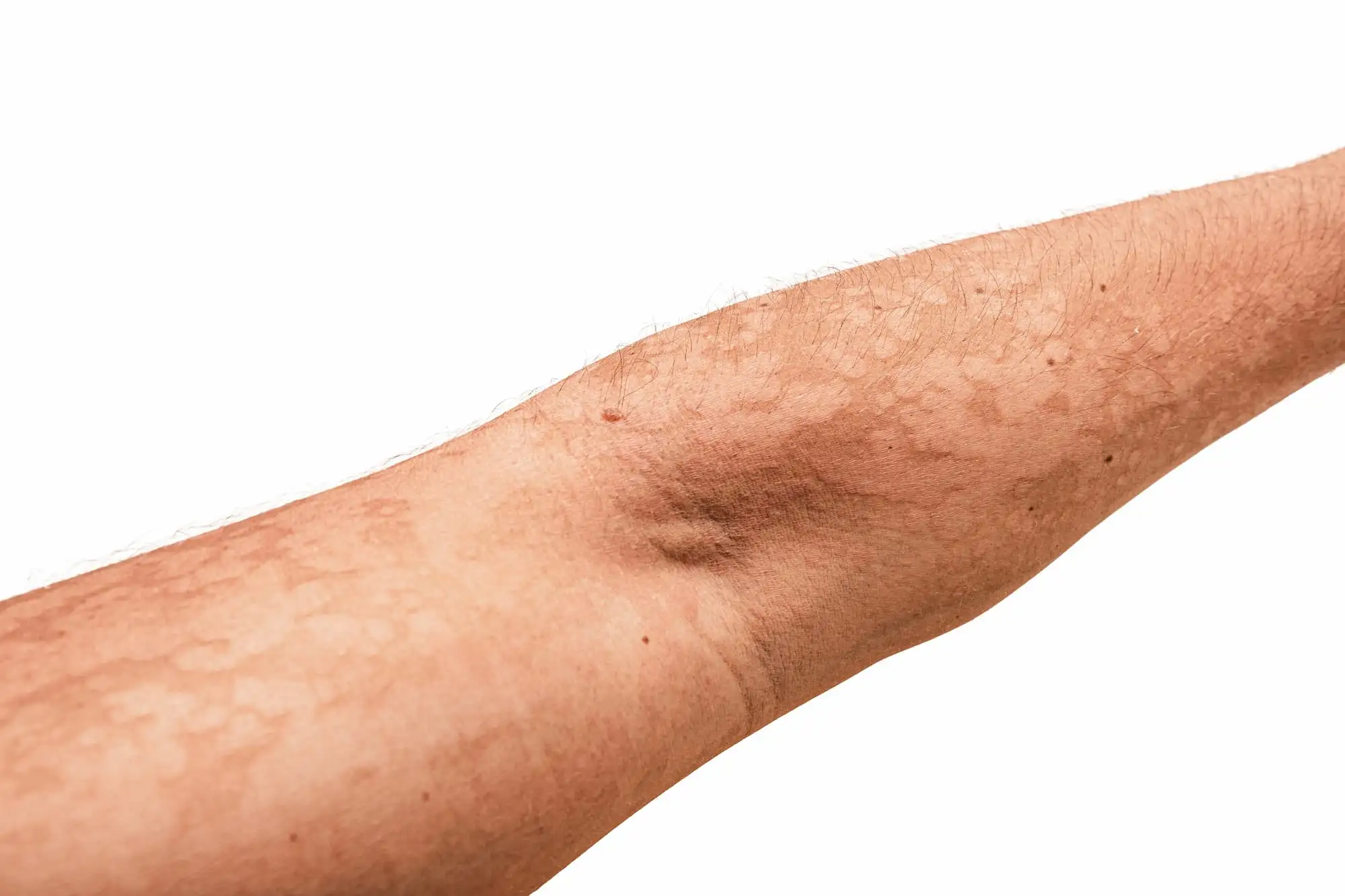
Clinical isolates of Malassezia furfur associated with pityriasis versicolor demonstrate heightened biofilm production and stronger environmental resistance, reinforcing their role in persistent skin infection.
Malassezia remains one of the most common lipid-dependent yeasts inhabiting human skin and is increasingly linked to several chronic dermatological disorders. It normally exists as a harmless commensal organism. Bharati Naik et al. aimed to determine whether clinical strains of Malassezia furfur (M. furfur) isolated from pityriasis versicolor (PV) patients possessed greater virulence-related and resistance-associated characteristics than a standard laboratory strain.
They examined 58 cases of PV involving multiple hyperpigmented scaly lesions distributed across various body regions. Skin scrapings obtained from infected sites were cultured on lipid-rich media to isolate M. furfur. Six clinical isolates exhibiting prominent pathogenic traits were selected for comparative analysis against the reference strain MTCC1374/CBS1878. The isolates were evaluated for growth kinetics, biofilm-forming ability, lipase production, and tolerance to different temperature, pH, and salinity conditions.
The patient-derived isolates exhibited stronger pathogenic characteristics with increased biofilm formation and elevated lipase activity. The isolates also tolerated wider ranges of temperature, salinity, and pH, indicating improved survival under stressful environmental conditions. These adaptive traits reflected an enhanced capacity for persistence and colonization on human skin.
The study demonstrated that clinical strains of M. furfur developed multiple virulence-associated and resistance-like features that distinguished them from standard laboratory strains. These findings suggested that enhanced environmental adaptability and survival mechanisms contributed to recurrent colonization, persistent infection, and possible therapeutic challenges in PV and related skin disorders.
Archives of Microbiology
Malassezia isolated from patients with PV exhibits resistance features supporting its pathogenic nature
Bharati Naik et al.














Comments (0)