

Categories
Change Password!
Reset Password!


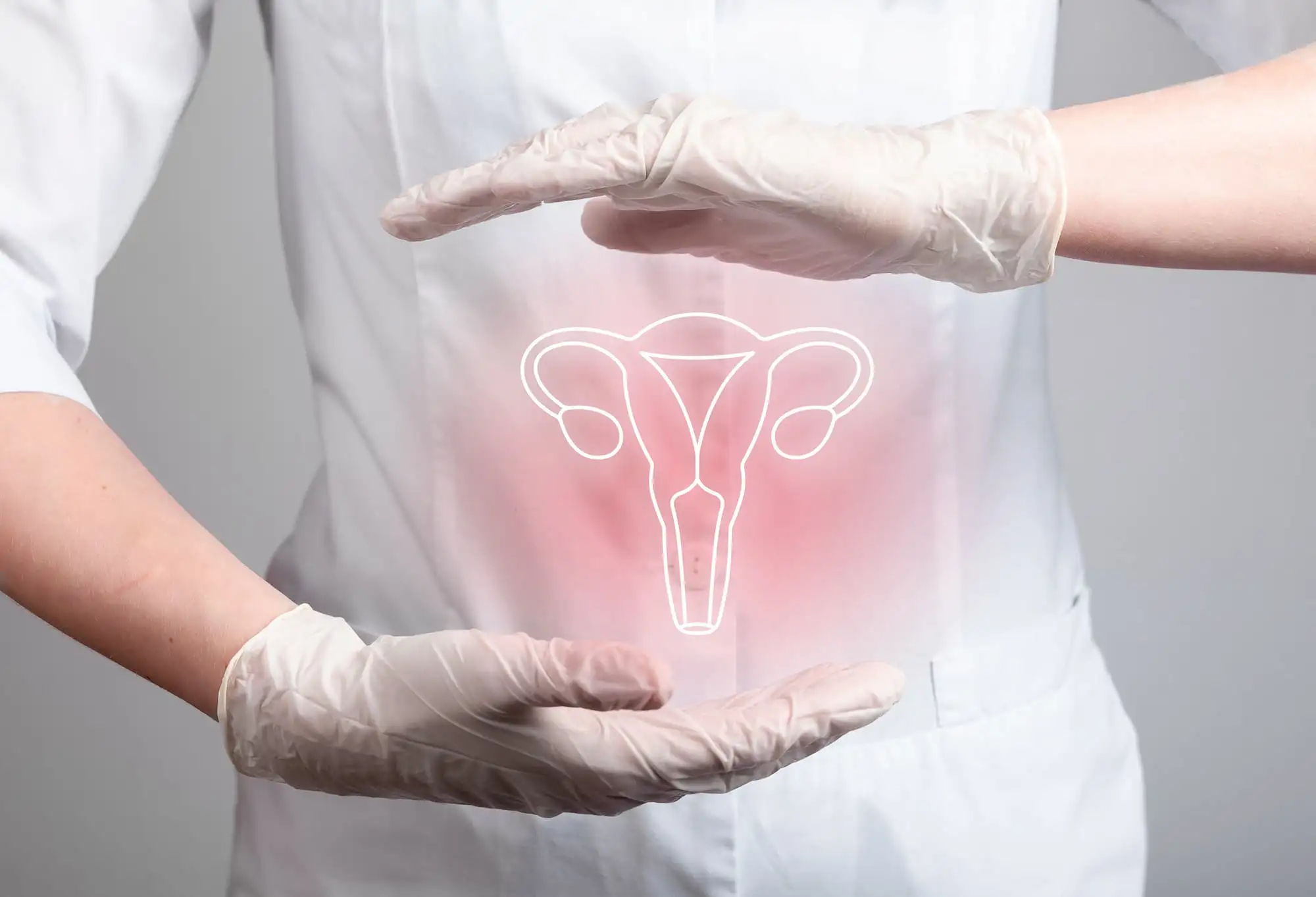
Oral GnRH antagonists improve pain and quality of life in endometriosis, at the cost of increased hot flushes, lipid changes, and bone loss.
An updated meta-analysis provides new evidence supporting the potency of oral gonadotropin-releasing hormone (GnRH) antagonists—elagolix, linzagolix, and relugolix—in minimizing endometriosis-associated pain, while also highlighting clinically relevant safety issues related to lipid metabolism and bone density.
Investigators executed a systematic search of Cochrane, Scopus, and PubMed/Medline, identifying 7 randomized controlled trials for inclusion. Study quality was assessed via the Cochrane risk of bias tool, and pooled effect sizes were calculated with the aid of a random-effects (DerSimonian–Laird) model, with heterogeneity determined via the inconsistency index.
Across trials, GnRH antagonists yielded substantial reductions in non-menstrual chronic pelvic pain, dyspareunia, and dysmenorrhea when pain was assessed using verbal and numeric rating scales. In contrast, no prominent improvement was observed when pain outcomes were measured with the modified Biberoglu and Behrman score, suggesting variability in sensitivity across assessment tools.
Beyond pain relief, treatment was related to significant improvements in patient-reported health status, including better scores on the Endometriosis Health Profile and Patient Global Impression of Change, indicating meaningful quality-of-life benefits. However, these benefits were accompanied by notable adverse effects. As opposed to placebo, GnRH antagonist therapy was linked to a 3.61-fold rise in hot flushes, an 8.96% rise in low-density lipoprotein (LDL) after 6 months, and a rise in high-density lipoprotein (HDL) levels.
Importantly, spinal bone mineral density was markedly lower in treated patients (p < 0.001), reinforcing concerns about long-term skeletal safety. Overall, this study confirms that elagolix, linzagolix, and relugolix are valuable oral options for mitigating endometriosis-related pain, but underscores the need for individualized risk–benefit assessment and monitoring, particularly with respect to vasomotor symptoms, lipid changes, and bone health.
International Journal of Reproductive BioMedicine
Potency of oral gonadotropin-releasing hormone antagonist as endometriosis-associated pain novel treatments: An updated meta-analysis of randomized controlled trials
Dian Tjahyadi et al.














Comments (0)