

Categories
Change Password!
Reset Password!



Dual therapy with vonoprazan and amoxicillin shows comparable eradication efficacy, fewer adverse events, and better treatment compliance than quadruple therapy for first-line H. pylori treatment.
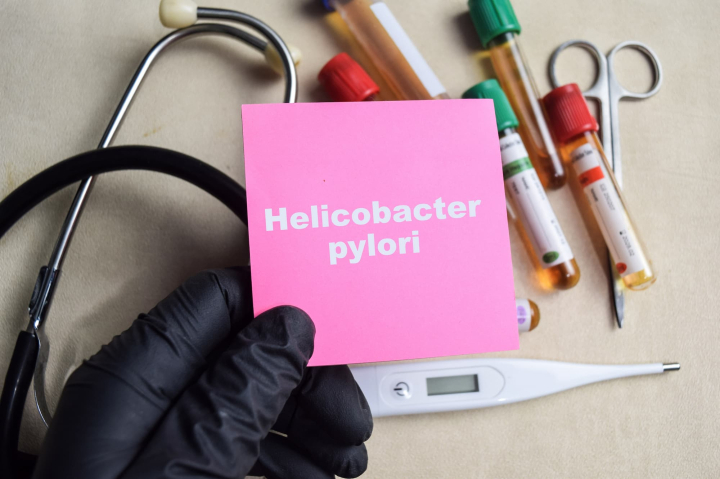
For Helicobacter pylori (H. pylori) treatment, more antibiotics do not necessarily mean better treatment. A new systematic review and network meta-analysis (NMA) suggests that a simpler dual-therapy approach—particularly vonoprazan + amoxicillin—could offer an effective and better-tolerated first-line option.
Researchers searched PubMed, Scopus, ProQuest, and the Cochrane Library through October 2025 to identify eligible randomized controlled trials (RCTs). Overall, 56 RCTs comparing the performance of dual, triple, and quadruple first-line regimens for H. pylori eradication were included.
The analysis showed that dual therapy maintained similar eradication rates to standard triple therapy in both intention-to-treat (odds ratio [OR] 0.88) and per-protocol (OR 0.76) analyses. Compared with quadruple therapy, dual therapy showed a significant advantage in intention-to-treat eradication outcomes (OR 1.20). However, per-protocol analysis demonstrated non-inferiority rather than superiority (OR 1.05). The benefit was particularly evident with P-CAB-based dual therapy, which achieved higher eradication rates than PPI-based bismuth quadruple therapy (OR 1.39).
Notably, RAC-7 (7 days of treatment with rabeprazole, amoxicillin, clarithromycin) ranked highest for eradication efficacy in the network analysis, followed by quadruple therapy. Safety and adherence further favoured dual therapy. Compared with quadruple regimens, dual therapy was associated with substantially fewer adverse events (OR 0.32) and higher treatment compliance (OR 1.49). In contrast, compliance and adverse-event rates did not significantly differ between dual and triple therapy.
To sum up, simpler therapeutic strategies may improve the overall treatment experience while maintaining clinical effectiveness. Although triple therapy remained the highest-ranked regimen for eradication efficacy in the network analysis, dual therapy consistently demonstrated the most favorable balance between efficacy, safety, and patient adherence. These characteristics may make dual therapy particularly attractive for patients in whom treatment tolerability is a priority.
BMJ Open Gastroenterology
Comparative efficacy, safety and compliance with dual, triple and quadruple therapy as the first-line treatment regimens for Helicobacter pylori eradication: a systematic review and network meta-analysis
Iqbal Taufiqqurrachman et al.












Comments (0)